
Welcome to the Impilo Abandoned Child Emergency Response Kits
In rural South African mining communities, first responders, including community child case workers, police, security patrols, and paramedics, often encounter abandoned children in urgent need of care. Our range of Emergency Response Kits is specifically designed to bridge the critical gap between discovery and professional medical or childcare handover, providing immediate stabilisation for vulnerable children.
The collection includes three age-specific kits:
Newborn Emergency Response Kit (0-1 month): Focused on thermal protection, safe feeding, and basic medical support for the most fragile infants.
Infant Emergency Response Kit (1-12 months): Addresses growing needs with age-appropriate nutrition, hydration, hygiene, and comfort.
Toddler Emergency Response Kit (1-3 years): Covers mobility-related risks with injury care, snacks, fluids, clothing, and soothing items.
Each kit is housed in a rugged, waterproof and dustproof hard plastic case, ensuring contents remain clean and ready in harsh environments. Compact and portable, they equip responders with everything needed to keep a child warm, fed, hydrated, and stable, preventing hypothermia, dehydration, or distress until the child reaches a hospital or designated care facility.
Purpose & Value: These kits empower first responders to act decisively and compassionately, potentially saving lives in areas where transport delays are common. By providing standardised, reliable tools tailored to each developmental stage, they enhance safety, reduce risks, and support proper documentation for legal and welfare processes.
When to Use: Deploy immediately upon discovering an abandoned child, assess safety, prioritise warmth and basic needs, then transport urgently while contacting emergency services or Impilo. Designed for non-medical users with clear guidance, they complement professional care without replacing it.
Preparedness starts here – because every child deserves a fighting chance. Explore the kits below to equip your team today.
Kits for New-Born Baby (0-1 Month)
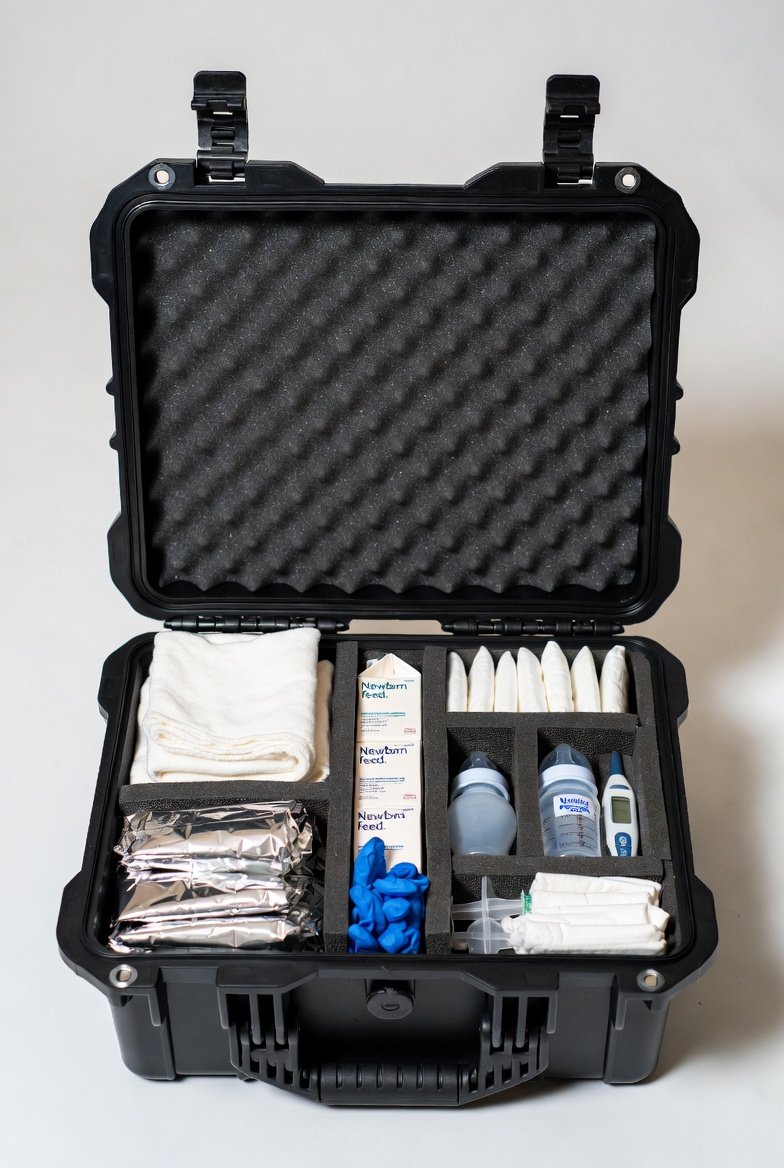
Newborn Emergency Response Kit
In rural South African communities, where abandoned newborns can face immediate risks from cold, hunger, or exposure, every second counts. The Newborn Emergency Response Kit equips child case workers, police, security patrols, and paramedics with a complete, portable solution to stabilise a newborn (0-1 month) on-site.
Packed in a rugged, waterproof and dustproof hard plastic case, it includes essential items for thermal protection, safe feeding, basic medical care, and hygiene, everything needed to keep a vulnerable infant warm, fed, and stable until transfer to a medical or care facility.
Compact, reliable, and purpose-built for tough environments, because no child should wait for help.
Newborn Emergency Response Kit
- Type: Hard plastic, IP67-rated waterproof and dustproof pelican-style case.
- Size: Approximately 40 cm × 30 cm × 15 cm, with carry handle and shoulder strap for portability (total weight ~8-10 kg when packed).
- Features: Foam inserts for organisation, sealed to protect sterile items from dust and moisture common in mining areas. Include a laminated quick-reference instruction card on the lid.
Kit Contents
Organised into compartments for quick access:
|
Category |
Items |
Purpose |
|
Thermal Protection (Priority: Prevent hypothermia) |
Receiving blanket (soft cotton), Thermal/mylar emergency blanket, Newborn beanie, Small hot water bottle (sealable, for indirect warming). |
Wrap baby skin-to-skin if possible, or layer blankets. Mylar retains heat; avoid direct heat sources on skin. |
|
Feeding |
Ready-to-feed infant formula (single-use 90-120 ml cartons, stage 1), Disposable bottles with slow-flow newborn nipples, Oral syringes (for feeding if baby weak). |
Provides immediate nutrition without needing water/mixing. Use if baby is alert and crying (indicates hunger). |
|
Hygiene & Comfort |
Newborn nappies, Alcohol-free baby wipes, Diaper rash cream (zinc-based), Newborn onesies/sleepsuits (neutral colours), Soft socks, pacifiers. |
Maintain cleanliness, prevent rash/infection. Clothing for layering warmth and dignity. |
|
Medical Stabilisation |
Nitrile gloves (non-latex), Bulb syringe (for clearing airways), Digital rectal thermometer + lubricant, Saline nasal drops, Antiseptic wipes (for umbilical cord if present), Infant CPR face shield/mask ,Glucose gel packets (for suspected low blood sugar). |
Basic assessment and intervention: clear mucus, check temperature, protect airways. Gloves ensure hygiene. Glucose for emergencies (use under guidance). |
|
Miscellaneous |
Hand sanitiser, Ziplock bags (for soiled items/evidence), Laminated emergency protocol card (with Childline/EMS contacts), Notepad/pen for recording details (time found, condition). |
Kits for Abandoned Infants (1-12 Months)
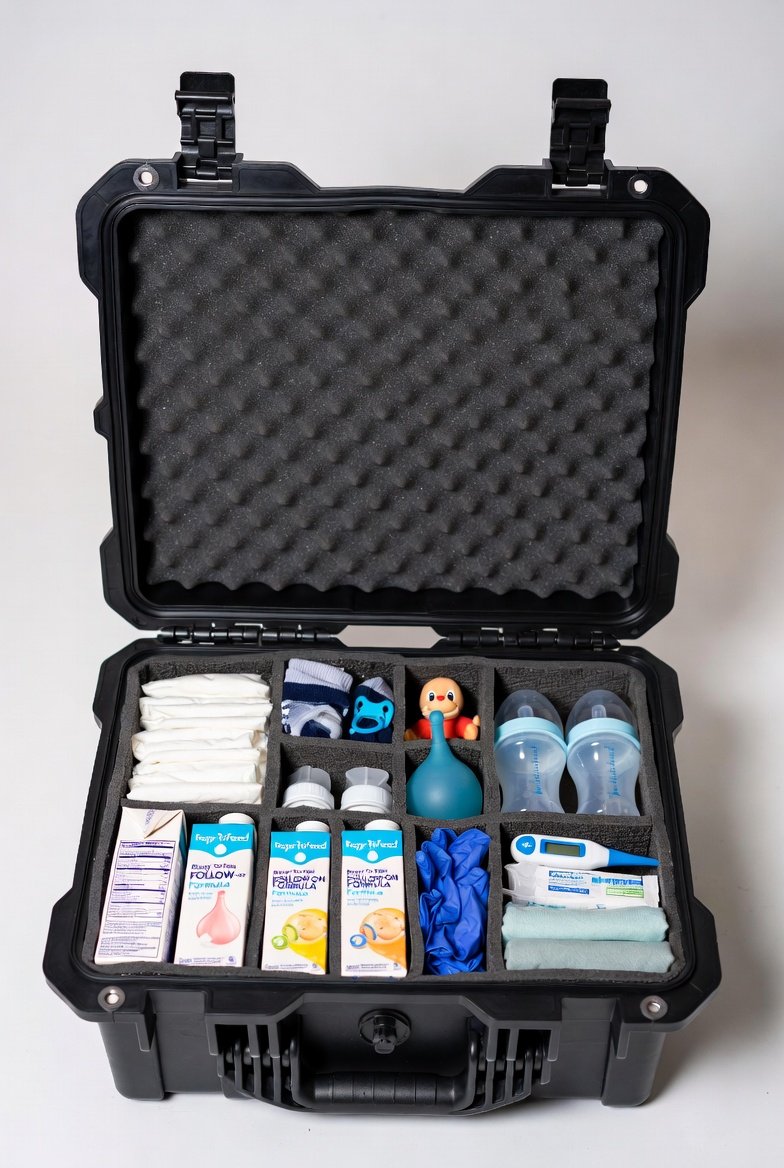
Infant Emergency Response Kit
In rural South African mining communities, abandoned infants aged 1-12 months are at high risk of hypothermia, dehydration, and distress. The Infant Emergency Response Kit empowers child case workers, police, security patrols, and paramedics with a complete, portable solution to provide immediate on-site stabilisation.
Housed in a rugged, waterproof and dustproof hard plastic case, it contains essential items for thermal protection, age-appropriate feeding, basic medical care, hygiene, and comfort, ensuring the child stays warm, nourished, and stable until handover to a medical or professional care facility.
Compact, durable, and designed for harsh environments, giving every vulnerable infant the best chance at survival.
Infant Emergency Response Kit
- Type: Hard plastic, IP67-rated waterproof and dustproof Pelican-style case.
- Size: Approximately 40 cm × 30 cm × 15 cm, with handle and shoulder strap (total weight ~10-12 kg when packed).
- Features: Custom foam inserts for organisation, sealed against dust and moisture. Includes a laminated quick-reference card on the lid.
Kit Contents
Organised into clear compartments for rapid access:
|
Category |
Items |
Purpose |
|
Thermal Protection (Priority: Prevent hypothermia) |
Soft cotton receiving blanket, Thermal/mylar emergency blanket, Infant beanie and socks, Fleece sleep sack (size 6-18 months) |
Layer for warmth; sleep sack provides safe covering without loose blankets. Skin-to-skin contact if feasible. |
|
Feeding |
Ready-to-feed follow-on formula (stage 2, single-use 200-250 ml cartons), Disposable bottles with medium-flow nipples, Spill-proof Sippy cup, Oral syringes (10 ml), Single-serve infant cereal packets (for mixing if needed). |
Age-appropriate nutrition; no preparation required. Syringes for weak infants; Sippy cups for older ones (6+ months). |
|
Hygiene & Comfort |
Infant nappies (size 3-5, adjustable for range), Alcohol-free baby wipes, Barrier cream (zinc oxide), Infant onesies/grow suit (sizes 6-18 months), Soft comfort toy (small, washable), Pacifier (various sizes). |
Prevent infection and discomfort. Comfort toy helps soothe distress. |
|
Medical Stabilisation |
Nitrile gloves, Bulb syringe + saline nasal drops, Digital thermometer + lubricant, Antiseptic wipes (for cord stump if recent or minor wounds), Infant CPR mask, Oral rehydration solution sachets, Glucose gel packets, Adhesive bandages (small). |
Airway clearance, temperature monitoring, basic wound care, and dehydration/hypoglycaemia management. |
|
Miscellaneous |
Hand sanitiser, Ziplock bags (for soiled items/evidence), Laminated protocol card (with Childline, EMS, and DSD contacts), Notepad/pen for recording details |
Hygiene, documentation, and handover support. |
Kits for Toddlers (1-3 Years)
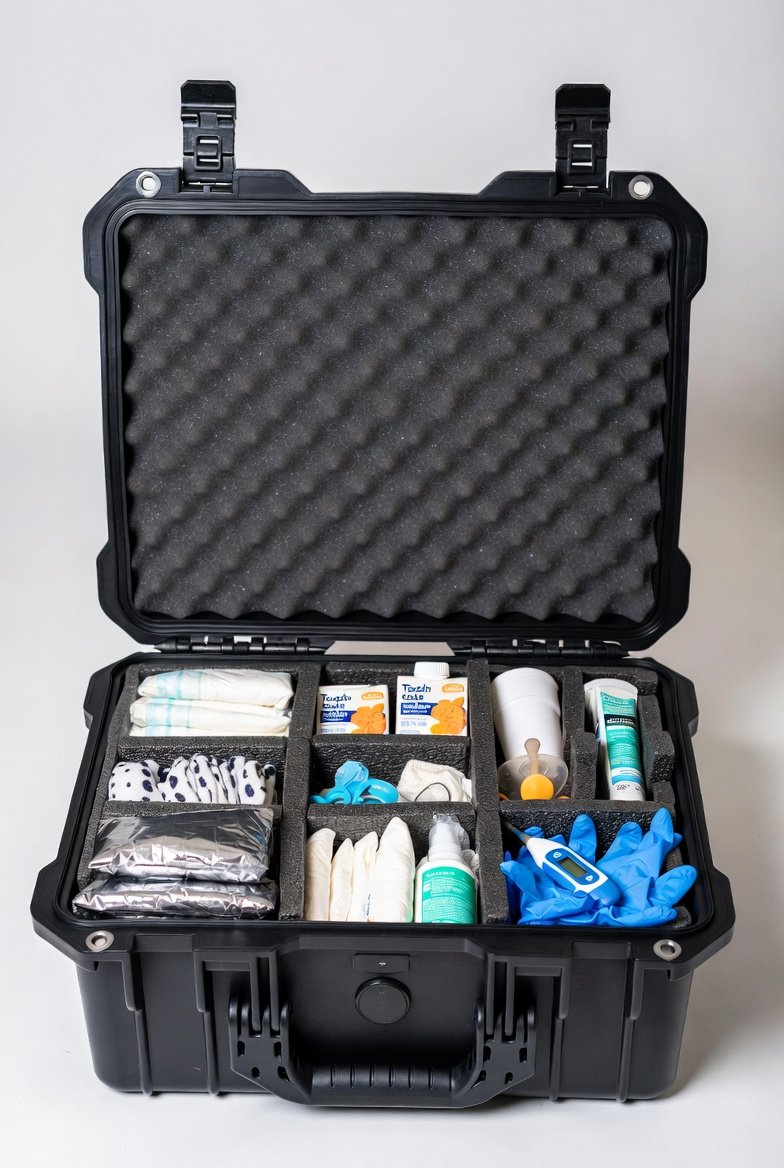
Toddler Emergency Response Kit
In rural South African mining communities, abandoned toddlers aged 1-3 years are vulnerable to hypothermia, injury, dehydration, and emotional distress. The Toddler Emergency Response Kit equips child case workers, police, security patrols, and paramedics with a complete, portable solution to deliver immediate on-site stabilisation and care.
Housed in a rugged, waterproof and dustproof hard plastic case, it provides essential items for thermal protection, nutrition and hydration, basic injury treatment, hygiene, and comfort, ensuring the child remains warm, nourished, safe, and calmed until handover to a medical or professional care facility.
Compact, robust, and built for harsh conditions, because every toddler deserves swift, lifesaving support.
Toddler Emergency Response Kit
- Type: Hard plastic, IP67-rated waterproof and dustproof Pelican-style case.
- Size: Approximately 40 cm × 30 cm × 18 cm (slightly deeper for bulkier items), with handle and shoulder strap (total weight ~12-14 kg when packed).
- Features: Custom foam inserts for secure organisation, sealed against dust and moisture. Laminated quick-reference card on lid.
Kit Contents
Organised into compartments for quick access:
|
Category |
Items |
Purpose |
|
Thermal Protection (Priority: Prevent hypothermia) |
Soft fleece blanket, Thermal/mylar emergency blanket, Toddler beanie, socks, and mittens, Fleece jacket or hooded sleep suit (sizes 18-36 months). |
Layering for warmth; jackets provide easy coverage in cold conditions. |
|
Feeding & Hydration |
Ready-to-drink toddler milk/formula (200-250 ml cartons), Bottles with spill-proof spouts, Single-serve nutritious snacks (e.g., rusks, fruit puree pouches, energy bars – non-perishable), Oral rehydration solution sachets (paediatric). |
Quick energy and hydration; snacks suit developing eating skills (finger foods for older toddlers). |
|
Hygiene & Comfort |
Toddler nappies/pull-ups (size 4-6), Alcohol-free wipes, Barrier cream, Toddler clothing set (T-shirt, pants, underwear – neutral, sizes 18-36 months), Small soft toy, Pacifier or teething toy. |
Maintain hygiene, change soiled clothing. Toys/books help calm fear and distress. |
|
Medical Stabilisation |
Nitrile gloves Digital thermometer + lubricant, Antiseptic wipes, spray Adhesive plasters, gauze pads, Infant/toddler CPR mask, Oral rehydration salts + syringe/spoon, Glucose gel or sweets (for low blood sugar), Basic pain relief (paediatric paracetamol syrup – sealed, with dosing guide). |
Treat minor injuries (common in mobile toddlers), monitor temperature, manage dehydration/pain. Use pain relief only if trained and necessary. |
|
Miscellaneous |
Hand sanitiser, Ziplock bags (for soiled items/evidence), Laminated protocol card (Childline, EMS, DSD contacts) Notepad/pen, child ID wristband. |
Hygiene, documentation, and secure identification during handover. |