
Welcome to Dark Psyche Diaries
Dark Psyche Diaries is your unfiltered guide to the hidden corners of human behaviour—those messy, controversial, and often unspoken psychological traits that shape the people around us. From the manipulative to the spineless, the disruptive to the downright toxic, we dive deep into the minds of those who stir chaos in workplaces, social circles, and beyond. Our mission? To expose the psychology behind these behaviours, not to shame, but to educate. By understanding why these individuals act the way they do, you’ll be better equipped to spot them, manage their impact, and navigate the situations they create with confidence and clarity. Join us as we unravel the raw truths of the human psyche to empower you with knowledge and strategies for a smarter, stronger approach to life’s trickiest characters.
Explore, learn, and grow with us!
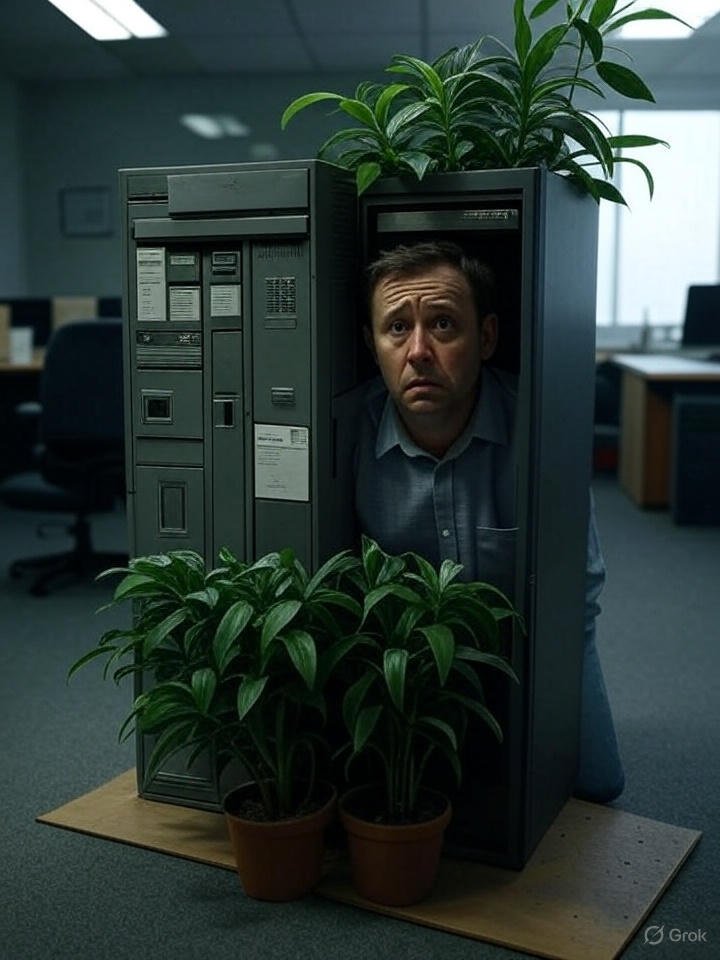
The Office Foreskin: Disappearing When Things Get Hard
In every office, there’s that one colleague who seems to have a sixth sense for trouble. The moment a project hits a snag, a deadline looms, or the boss starts asking tough questions, they’re nowhere to be found. Emails go unanswered, their desk sits empty, and their phone’s on voicemail. But as soon as the dust settles—when the team’s pulled through the crisis or the work’s been sorted—they miraculously reappear, all smiles, ready to claim the glory. We call this character The Office Foreskin: the teammate who retracts when things get hard, only to pop back out and act like they saved the day. Dark Psyche Diaries is here to unpack the psychology behind this infuriating behaviour, help you spot it, and arm you with strategies to manage these slippery types.
The Psychology of the Foreskin: Why They Vanish
So, why does The Office Foreskin pull their disappearing act? At the core, it’s about self-preservation and avoiding accountability, often rooted in deeper psychological traits. Here’s what’s going on in their heads:
- Fear of Failure: Many Foreskins are paralysed by the prospect of screwing up. Psychologically, they may suffer from low self-efficacy—the belief that they can’t handle challenging tasks. Rather than risk being exposed as incompetent, they opt out entirely, ducking responsibility until the storm passes. Studies on workplace avoidance, like those by organisational psychologist Dr. Robert Hogan, suggest this stems from an inflated but fragile ego, where the fear of criticism outweighs the drive to contribute.
- Opportunistic Narcissism: Some Foreskins aren’t just dodging work—they’re strategically positioning themselves for maximum reward with minimal effort. This aligns with subclinical narcissism, where individuals prioritise self-image over team goals. They’re happy to let others slog through the hard yards, knowing they can swoop in later to bask in the credit. Research from the Journal of Personality and Social Psychology (2018) shows narcissists are adept at impression management, curating a façade of competence without the substance.
- Learned Helplessness: In some cases, Foreskins have internalised a sense of powerlessness. They’ve faced tough situations before, felt overwhelmed, and now default to avoidance as a coping mechanism. This isn’t laziness—it’s a psychological retreat. They convince themselves the team’s better off without them, only to rewrite the narrative later to justify their absence.
- Social Loafing: In group settings, some people naturally dial back their effort, assuming others will pick up the slack. The Foreskin takes this to an extreme, vanishing entirely when the pressure’s on. Studies, like those by Latané et al. (1979) on social loafing, show this behaviour thrives in environments where individual contributions aren’t clearly tracked.
Spotting The Office Foreskin
Identifying The Office Foreskin is the first step to managing their impact. Here are the telltale signs:
- The Convenient Absence: They’re mysteriously “busy” or “out of the office” during crunch time. Sick leave, urgent personal matters, or vague “meetings” crop up right when the team needs all hands on deck.
- The Post-Crisis Hero: Once the problem’s solved, they’re back, loudly praising the team’s success while subtly implying they played a key role. Look for phrases like, “I laid the groundwork for this” or “I was strategizing behind the scenes.”
- Vague Contributions: Ask them what they did during the crisis, and you’ll get deflections or buzzwords. They’re masters at sounding busy without evidence.
- Selective Engagement: They’re visible during low-stakes tasks or when the boss is watching, but vanish when the real work starts.
Why Expose This Behaviour?
At Dark Psyche Diaries, we’re not here to point fingers for the sake of it. Exposing The Office Foreskin is about empowering you with knowledge. Understanding their psychology helps you see their actions aren’t personal—they’re driven by fear, ego, or learned habits. By recognising this, you can protect your team’s morale, avoid burnout from covering their slack, and foster a workplace where accountability isn’t optional. Plus, calling out this behaviour (tactfully) can deter Foreskins from pulling their vanishing act in the future.
How to Manage The Office Foreskin
Dealing with a Foreskin requires strategy, not confrontation. Here’s how to handle them and the chaos they create:
- Document Everything: Keep a clear record of who’s doing what during projects. Use tools like Trello or shared Google Docs to track tasks. When the Foreskin tries to claim credit, the paper trail will expose their absence. Transparency is their kryptonite.
- Call Them Out Subtly: In meetings, ask specific, neutral questions like, “Hey, what was your take on the issue we faced last week?” This puts them on the spot without sounding accusatory, forcing them to either admit their absence or fumble.
- Assign Clear Roles: Foreskins thrive in ambiguity. At the start of a project, assign specific, measurable tasks with deadlines. If they know their contribution (or lack thereof) will be visible, they’re less likely to vanish.
- Don’t Cover for Them: It’s tempting to pick up their slack to keep things moving, but this enables their behaviour. Politely redirect tasks back to them: “I noticed you haven’t weighed in on this—can you take point on X by tomorrow?”
- Engage Leadership: If the Foreskin’s absence is chronic, loop in a manager with concrete examples. Frame it as a team efficiency issue, not a personal gripe. For example: “I’ve noticed some tasks aren’t being addressed during crunch times, which impacts delivery.”
- Reward the Doers: Publicly acknowledge those who stepped up during tough times. This not only boosts morale but also highlights the Foreskin’s absence by omission. They hate being sidelined from praise.
- Set Boundaries: If you’re stuck working with a Foreskin, protect your energy. Don’t let their avoidance guilt you into overworking. Focus on your tasks and let their absence speak for itself.
The Bigger Picture
The Office Foreskin isn’t just a workplace annoyance—they’re a symptom of deeper issues like poor accountability systems or unchecked egos. By understanding their psychology, you can navigate their behaviour without letting it derail your team. At Dark Psyche Diaries, we believe shining a light on these dynamics isn’t about vilifying individuals but about building smarter, stronger workplaces. Next time the pressure’s on and your colleague’s gone AWOL, you’ll know exactly what’s up—and how to handle it.
Got a Foreskin story of your own? Drop it in the comments or join the conversation on Dark Psyche Diaries as we keep unpacking the wild, weird, and downright frustrating corners of the human psyche.

The Office Ogre: The Tyrant Who Terrorises the Workplace
Picture this: a hulking presence storms through the office, their voice a snarl, their glare enough to make you shrink. They snap at questions, belittle ideas, and leave a trail of shattered confidence in their wake. Meet The Office Ogre—the workplace tyrant who rules through fear, like a rabid dog ready to chomp on anyone who dares cross their path. At Dark Psyche Diaries, we’re ripping the mask off this intimidating archetype to reveal the psychology driving their behaviour, help you spot them, and arm you with strategies to survive their reign of terror without losing your cool—or your job.
The Psychology of the Office Ogre: Why They Roar
What turns someone into an Office Ogre? Their aggressive, domineering behaviour isn’t just bad manners—it’s rooted in deep psychological patterns. Here’s what fuels their rage:
- Insecurity Masquerading as Power: Often, Ogres overcompensate for feelings of inadequacy. Psychological research, like that of Dr. Robert Hogan on toxic leadership, suggests their aggression stems from fragile self-esteem. By intimidating others, they feel in control, masking their fear of being exposed as less competent or unworthy.
- Authoritarian Personality Traits: Ogres may exhibit traits linked to an authoritarian personality, as described in Adorno’s 1950 studies. They crave dominance, view hierarchies as absolute, and use fear to enforce their perceived superiority, especially when stressed or challenged.
- Anger as a Defence Mechanism: For some Ogres, snapping and snarling is a way to deflect vulnerability. According to studies in the Journal of Occupational Health Psychology (2019), chronic workplace stress can amplify aggressive behaviours in those with poor emotional regulation, turning them into a “beware of dog” sign.
- Learned Behaviour: Some Ogres have seen bullying work—whether in past jobs or personal life—and adopt it as a go-to strategy. They’ve learned that intimidation gets results, even if it’s short-term, and lean into it without questioning the collateral damage.
Spotting The Office Ogre
Recognising an Office Ogre is crucial to protecting yourself and your team. Look for these telltale signs:
- Intimidating Presence: Their tone is sharp, their body language aggressive—think raised voices, pointed fingers, or looming over desks. They’re the human equivalent of a storm cloud.
- Belittling Behaviour: They dismiss ideas with sarcasm, mock mistakes, or publicly shame colleagues to assert dominance. Phrases like “That’s a stupid idea” or “You’re wasting my time” are their trademarks.
- Unpredictable Outbursts: One moment they’re calm, the next they’re snapping over a minor issue. This volatility keeps everyone on edge, afraid to trigger their wrath.
- Control Freaks: Ogres micromanage or demand constant updates, not out of diligence but to reinforce their authority. They hate being challenged or bypassed.
Why Expose This Behaviour?
At Dark Psyche Diaries, we’re not here to vilify but to illuminate. Exposing The Office Ogre’s tactics helps you understand that their snarling isn’t about you—it’s about their own psychological struggles. By seeing through their bluster, you can protect your mental health, maintain your confidence, and foster a workplace where fear doesn’t call the shots. Understanding their behaviour also empowers you to push back strategically, ensuring their tyranny doesn’t derail your career or the team’s morale.
How to Manage The Office Ogre
Dealing with an Ogre requires resilience and cunning to avoid becoming their next victim. Here’s how to navigate their terror tactics:
- Stay Calm Under Fire: Ogres feed on emotional reactions. Keep your tone neutral and professional, even when they’re snarling. Responding calmly—like, “I hear your concerns, let’s discuss a solution”—defuses their power.
- Document Incidents: Record specific instances of their aggressive behaviour, including dates, times, and what was said. This is critical if you need to escalate to HR or a manager. Stick to facts: “On 15 September, they shouted at me in front of the team for missing a deadline.”
- Use Assertive Communication: Don’t cower, but don’t fight fire with fire. Use “I” statements to address issues, like, “I feel disrespected when my ideas are dismissed without discussion.” This sets boundaries without escalating their temper.
- Build Alliances: Ogres thrive in divided teams. Connect with colleagues to create a united front. Share experiences discreetly and support each other in meetings to dilute their dominance.
- Know When to Escalate: If their behaviour crosses into harassment or severely impacts your work, report it to HR or a trusted leader. Present evidence calmly and focus on how it affects productivity, not personal feelings.
- Protect Your Confidence: Ogres aim to erode your self-esteem. Counter this by keeping a record of your achievements and seeking feedback from supportive colleagues. Don’t let their criticism define your worth.
- Pick Your Battles: Not every snarl needs a response. If their outburst is minor, let it slide and focus on bigger issues. Conserve your energy for when it counts, like defending your work or team.
The Bigger Picture
The Office Ogre isn’t just a workplace bully—they’re a symptom of unchecked power dynamics or toxic cultures that let intimidation flourish. By understanding their psychology, you can navigate their chaos without losing your footing. At Dark Psyche Diaries, we’re here to equip you with the tools to face these workplace monsters head-on, turning their snarls into background noise. With the right strategies, you can tame the Ogre’s impact and keep your workplace focused on collaboration, not fear.
Have you faced an Office Ogre? Share your story in the comments or dive into more raw insights on Dark Psyche Diaries as we continue exposing the wild, messy truths of human behaviour.

The Moaning Mlungu: The Whinger Who Drowns the Workplace in Gloom
They shuffle into the office with a scowl that could sour a sunny day, ready to turn any moment into a Joburg storm. Meet The Moaning Mlungu—the colleague who gripes about everything, from the coffee machine to the project plan, as if nothing’s ever good enough. They’d probably complain about free biltong at a braai, dragging everyone’s vibe into the dirt with their endless whining. At Dark Psyche Diaries, we’re diving into the psychology behind their relentless negativity, helping you spot them, and sharing strategies to keep their gloom from sinking your workplace spirit.
The Psychology of the Moaning Mlungu: Why They Whinge
What fuels The Moaning Mlungu’s non-stop complaints? Their griping isn’t just a bad mood—it’s rooted in psychological patterns that make negativity their default setting. Here’s what’s going on:
- Cognitive Bias Towards Negativity: Moaning Mlungus often have a negativity bias, where their brain fixates on what’s wrong rather than what’s right. Research in cognitive psychology, like Rozin and Royzman’s 2001 study, shows this bias amplifies perceived flaws, making even minor issues feel catastrophic.
- External Locus of Control: Many Mlungus believe their problems stem from external forces—bad management, useless colleagues, or “the system.” According to Rotter’s 1966 work on locus of control, this mindset leads to chronic complaining as they feel powerless to change their circumstances, so they vent instead.
- Attention-Seeking Through Misery: Complaining can be a bid for attention or sympathy. By broadcasting their grievances, Mlungus draw focus to themselves, as noted in studies like Kowalski’s 1996 Journal of Personality article on complaining as a social strategy.
- Learned Helplessness: Some Mlungus have internalised a sense of defeat from past setbacks. As described by Seligman (1975), this learned helplessness makes them see every challenge as insurmountable, so they complain rather than act, dragging others down with them.
Spotting The Moaning Mlungu
Identifying a Moaning Mlungu is easy once you know the signs. Watch for these red flags:
- Relentless Griping: No matter the situation—a new project, a team win, or even a free lunch—they find something to moan about. “The biltong’s too tough” or “This meeting’s a waste of time” are their go-to lines.
- Mood Killers: Their negativity saps the energy from any room, turning a positive brainstorm into a pity party faster than a Joburg storm clouds the sky.
- Problem-Focused, Not Solution-Oriented: They highlight issues but rarely offer fixes. Ask for a suggestion, and they’ll dodge with, “It’s not my job to sort this out.”
- Contagious Complaining: Their whinging spreads, pulling others into a spiral of grumbling. One moan about a deadline can spark a team-wide rant.
Why Expose This Behaviour?
At Dark Psyche Diaries, we’re here to shine a light, not cast shade. Exposing The Moaning Mlungu’s tactics helps you understand their complaints aren’t personal—they’re a reflection of their own psychological struggles. By recognising this, you can protect your positivity, keep team morale high, and avoid being dragged into their gloom. Our goal is to empower you to navigate their negativity and foster a workplace where optimism and action prevail.
How to Manage The Moaning Mlungu
Dealing with a Moaning Mlungu requires resilience and strategy to keep their storm clouds from ruining your day. Here’s how to handle their griping:
- Don’t Join the Pity Party: Resist the urge to agree with their complaints, as this fuels their negativity. Respond neutrally with, “I hear you, but let’s focus on what we can do.” This shuts down their rant without escalating.
- Redirect to Solutions: When they start whinging, ask, “What do you think we could do about this?” This forces them to shift from complaining to problem-solving or exposes their lack of ideas.
- Set Positive Boundaries: Limit their ability to derail conversations. In meetings, acknowledge their point briefly—“Noted, let’s move on to solutions”—and steer the discussion back to constructive topics.
- Document Disruptions: If their constant moaning impacts productivity, keep a record of specific instances, like missed deadlines due to their negativity. This helps if you need to escalate to a manager or HR.
- Model Optimism: Counter their gloom by highlighting wins or progress, like, “I know this project’s tough, but we’ve already nailed the first phase.” Positivity can drown out their complaints and inspire others.
- Limit Exposure: Minimise one-on-one time with the Mlungu to protect your energy. If they corner you with a rant, excuse yourself politely: “I’ve got a deadline, let’s chat later.”
- Escalate Strategically: If their negativity poisons the team, raise it with a manager, focusing on the impact: “Their constant complaints are affecting our momentum.” Provide examples to keep it factual.
The Bigger Picture
The Moaning Mlungu isn’t just a workplace irritant—they’re a symptom of environments where negativity goes unchecked or solutions aren’t prioritised. Their endless griping can tank morale, stall progress, and make every day feel like a slog. By understanding their psychology, you can sidestep their storm clouds and champion a workplace where action and positivity shine. At Dark Psyche Diaries, we’re here to help you weather these whingers and keep your vibe as bright as a braai on a sunny day.
Have you dealt with a Moaning Mlungu? Share your story in the comments or dive into more raw insights on Dark Psyche Diaries as we keep exposing the wild, messy truths of human behaviour.

The Team Sloth: The Lazybones Who Loafs Through the Workplace
They saunter into the office with the urgency of someone on a permanent gap year, treating deadlines like optional braai invites. Meet The Team Sloth—the colleague who lounges through work, contributing about as much as a guest who brings nothing to the potluck but still scoffs all the pap. Their laziness isn’t just frustrating; it’s a drain on team morale and productivity. At Dark Psyche Diaries, we’re unpacking the psychology behind their idle ways, helping you spot them, and sharing strategies to manage their lethargy without getting stuck cleaning up their mess.
The Psychology of the Team Sloth: Why They Loaf
What makes The Team Sloth so content to slack off while others slog? Their behaviour isn’t just a lack of hustle—it’s rooted in psychological patterns that favour ease over effort. Here’s what’s behind their lounging:
- Low Intrinsic Motivation: Sloths often lack internal drive to excel, a concept tied to self-determination theory (Deci & Ryan, 1985). Without personal goals or passion for the work, they coast, doing the bare minimum to get by.
- Social Loafing: In team settings, Sloths reduce effort, assuming others will cover for them. Research by Latané et al. (1979) on social loafing shows this thrives in environments where individual contributions aren’t clearly tracked, letting them hide in the group’s shadow.
- Avoidance Coping: Some Sloths dodge work to avoid stress or failure. According to studies in Organisational Behaviour and Human Decision Processes (2016), avoidance coping leads to procrastination, as they prioritise short-term comfort over long-term results.
- Entitlement Mindset: Sloths may feel they deserve rewards without effort, a trait linked to narcissistic tendencies. They’ll happily eat the pap at the potluck, believing their mere presence is contribution enough, as noted in research on workplace entitlement (Fisk, 2010).
Spotting The Team Sloth
Identifying a Team Sloth is crucial to avoid carrying their load. Look for these telltale signs:
- Deadline Dodging: They treat due dates like suggestions, missing them with excuses like “I was swamped” or “I thought it wasn’t urgent.”
- Minimal Output: Their work is half-hearted—think rushed reports or incomplete tasks that others end up fixing.
- Potluck Profiteer: They contribute little to projects but are quick to enjoy the rewards, claiming credit or soaking up team success.
- Permanent Chill Mode: They’re often “busy” with personal chats, long lunches, or scrolling their phone, acting like the office is their lounge.
Why Expose This Behaviour?
At Dark Psyche Diaries, we’re here to illuminate, not aggravate. Exposing The Team Sloth’s tactics helps you understand their laziness isn’t your fault—it’s a product of their psychological wiring. By recognising this, you can protect your energy, prevent burnout from picking up their slack, and foster a workplace where everyone pulls their weight. Our goal is to empower you to navigate their loafing and keep your team’s vibe as lively as a proper braai.
How to Manage The Team Sloth
Dealing with a Team Sloth requires strategy to avoid being burdened by their inertia. Here’s how to handle their laziness:
- Assign Specific Tasks: Sloths thrive in ambiguity. Give them clear, measurable responsibilities with deadlines in writing: “You’re handling section X by Friday.” This makes it harder for them to dodge.
- Track Contributions: Use tools like Trello or shared docs to document who’s doing what. When their lack of effort is visible, they’re less likely to coast unnoticed.
- Don’t Cover for Them: Resist the urge to fix their work or meet their deadlines. Let their inaction show, but keep it professional: “I noticed this task is still pending—can you update us?”
- Call Out Tactfully: In team settings, ask direct questions like, “What progress have you made on this?” This exposes their loafing without confrontation.
- Reward Effort, Not Presence: Highlight colleagues who deliver, making it clear that showing up isn’t enough. Public praise for doers sidelines the Sloth’s freeloading.
- Set Team Norms: Push for a culture of accountability, like regular check-ins or progress reports. Sloths struggle in environments where slacking is exposed.
- Escalate When Necessary: If their laziness tanks projects, raise it with a manager, focusing on impact: “This task was delayed due to incomplete contributions.” Provide evidence to keep it factual.
The Bigger Picture
The Team Sloth isn’t just a workplace irritation—they’re a symptom of cultures where accountability is loose or effort goes unrecognised. Their lounging can overburden teammates, kill momentum, and sour the team’s spirit. By understanding their psychology, you can sidestep their lethargy, promote fairness, and keep your workplace humming with purpose. At Dark Psyche Diaries, we’re here to help you shake off these lazybones and ensure everyone brings something to the potluck—not just an appetite for the pap.
Have you dealt with a Team Sloth? Drop your story in the comments or dive into more raw insights on Dark Psyche Diaries as we keep exposing the wild, messy truths of human behaviour.

The Brain-Fart Baron: The Smug Know-It-All Who Stinks Up the Workplace
They strut into meetings like they wrote the company handbook in utero, their smug grin radiating the kind of confidence that makes you question your own existence. Meet The Brain-Fart Baron—the colleague who dismisses your ideas with a patronising “actually, I know better,” as if their brain farts are pearls of wisdom. Their overconfidence isn’t just annoying; it stifles creativity and sours team dynamics. At Dark Psyche Diaries, we’re clearing the air on the psychology behind their know-it-all antics, helping you spot them, and sharing strategies to manage their stench without choking on their ego.
The Psychology of the Brain-Fart Baron: Why They Act All-Knowing
What fuels The Brain-Fart Baron’s insufferable certainty? Their smug dismissals and self-proclaimed expertise stem from psychological patterns that prioritise ego over collaboration. Here’s what’s behind their strut:
- Dunning-Kruger Effect: The Baron often suffers from this cognitive bias, where low competence leads to inflated self-assessment. As Dunning and Kruger’s 1999 study shows, those with limited skills overestimate their abilities, genuinely believing they know best while dismissing others’ input.
- Narcissistic Overconfidence: Many Barons exhibit subclinical narcissism, craving admiration for their perceived brilliance. Research in the Journal of Personality and Social Psychology (2018) notes that narcissists inflate their expertise to maintain a superior self-image, often at the expense of team cohesion.
- Defensive Superiority: Their “I know better” attitude can mask insecurity. By shutting down others’ ideas, they protect their fragile ego from being challenged, a trait linked to defensive self-esteem in psychological studies (Baumeister et al., 1996).
- Need for Status: Barons thrive on being seen as the go-to expert. Their dismissals are a power play to establish dominance, aligning with organisational psychology findings (Anderson & Kilduff, 2009) that overconfidence can be a strategy to climb social hierarchies.
Spotting The Brain-Fart Baron
Identifying a Brain-Fart Baron is key to avoiding their intellectual steamroller. Look for these telltale signs:
- Smug Dismissals: They shoot down ideas with a condescending “actually, I know better” or “that won’t work,” rarely offering constructive alternatives.
- Self-Proclaimed Expertise: They act like they’ve mastered every topic, strutting as if they penned the company handbook in utero, even when their knowledge is shaky.
- Idea Hijacking: If your suggestion gains traction, they’ll rephrase it as their own or claim they “thought of it first” to steal the spotlight.
- Resistance to Feedback: Challenge their ideas, and they double down with jargon or deflection, refusing to admit gaps in their knowledge.
Why Expose This Behaviour?
At Dark Psyche Diaries, we’re here to clear the fog, not add to it. Exposing The Brain-Fart Baron’s tactics helps you see their smugness isn’t about your ideas—it’s about their need to feel superior. Understanding their psychology empowers you to protect your creativity, maintain team collaboration, and foster a workplace where ideas are judged on merit, not ego. By calling out their stench, we aim to equip you with tools to navigate their arrogance and keep the air fresh for innovation.
How to Manage The Brain-Fart Baron
Dealing with a Brain-Fart Baron requires tact and resilience to avoid being flattened by their ego. Here’s how to handle their smug dismissals:
- Stay Confident in Your Ideas: Don’t let their “I know better” shake you. Present your suggestions with evidence or data, making it harder for them to dismiss you outright: “Here’s why I think this approach works, based on X.”
- Ask for Specifics: When they shoot down your idea, challenge them politely: “Can you explain why you think that won’t work?” This forces them to justify their dismissal or expose their lack of substance.
- Document Your Contributions: Keep records of your ideas in emails or shared docs. If the Baron tries to hijack credit, you’ll have proof of your input to set the record straight.
- Engage the Team: Present ideas in group settings to dilute their influence. If they try to dominate, invite others’ input: “What does everyone else think about this?” This shifts focus from their ego to the team.
- Use Their Ego Strategically: Frame suggestions in ways that appeal to their need for status, like, “I bet you’ve got insights on how to refine this idea.” This can make them more receptive without feeding their arrogance too much.
- Escalate When Necessary: If their dismissals derail projects or create a hostile environment, raise it with a manager, focusing on impact: “Their rejection of ideas without discussion is stalling our progress.” Provide examples to keep it objective.
- Protect Your Space: Don’t waste energy debating their every “actually.” Focus on your work, seek feedback from supportive colleagues, and let their overconfidence expose itself through results—or lack thereof.
The Bigger Picture
The Brain-Fart Baron isn’t just a workplace nuisance—they’re a symptom of environments where unchecked egos stifle innovation and collaboration. Their smug dismissals can silence voices, kill creativity, and create a culture where only the loudest survive. By understanding their psychology, you can navigate their arrogance, champion your ideas, and foster a workplace where brains trump bravado. At Dark Psyche Diaries, we’re here to help you clear the air of these know-it-all fumes and keep your team’s ideas flowing freely.
Have you crossed paths with a Brain-Fart Baron? Share your story in the comments or dive into more raw insights on Dark Psyche Diaries as we keep exposing the wild, messy truths of human behaviour.

The Glory-Snatching Gobshite: The Thief Who Steals Your Workplace Wins
They swoop into the office like a seagull at a chip stand, eyes gleaming as they nick your hard-earned wins and parade them as their own masterpiece. Meet The Glory-Snatching Gobshite—the colleague who hovers on the edges of your grind, only to dive in at the last second to claim the applause. Their credit-stealing antics don’t just rob you of recognition; they erode trust and sour team spirit. At Dark Psyche Diaries, we’re exposing the psychology behind their thieving ways, helping you spot them, and sharing strategies to protect your achievements from their sticky fingers.
The Psychology of the Glory-Snatching Gobshite: Why They Steal
What drives The Glory-Snatching Gobshite to pilfer your successes? Their behaviour is less about laziness and more about a calculated grab for status, rooted in psychological patterns that prioritise self-promotion over fairness. Here’s what fuels their swooping:
- Narcissistic Self-Enhancement: Gobshites often exhibit narcissistic traits, craving admiration and status. According to research in the Journal of Personality and Social Psychology (2016), narcissists engage in self-enhancement by claiming others’ achievements to boost their own image, especially in competitive settings like the workplace.
- Opportunistic Exploitation: They’re strategic scavengers, seizing moments when credit is up for grabs. Studies on workplace opportunism (Judge & Bono, 2001) show these individuals exploit ambiguous team contributions to position themselves as the star, minimising their own effort.
- Insecurity and Impostor Fears: Paradoxically, some Gobshites steal glory to mask feelings of inadequacy. By taking credit, they deflect scrutiny from their own lacklustre contributions, aligning with research on defensive self-presentation (Baumeister et al., 1996).
- Social Loafing with a Twist: Like the Team Sloth from our earlier Dark Psyche Diaries article, Gobshites may contribute minimally but differ by actively claiming the spotlight. Latané’s 1979 work on social loafing notes that such individuals thrive in environments where individual efforts aren’t clearly distinguished, allowing them to swoop in unnoticed.
Spotting The Glory-Snatching Gobshite
Identifying a Glory-Snatching Gobshite is crucial to safeguarding your hard work. Watch for these telltale signs:
- Last-Minute Swooping: They’re quiet during the grind but appear just as the project wraps, ready to “present” the results or “summarise” the team’s success to the boss.
- Vague Contributions: When asked what they did, they offer buzzwords or generalities like “I guided the strategy,” dodging specifics to hide their minimal input.
- Public Self-Promotion: They’re quick to boast in meetings or emails, framing your work as theirs with phrases like “my vision” or “the results I drove.”
- Selective Presence: They hover near decision-makers when praise is handed out, like a seagull eyeing chips, but are scarce during the tough slog.
Why Expose This Behaviour?
At Dark Psyche Diaries, we’re here to shine a light, not stir the pot. Exposing The Glory-Snatching Gobshite’s tactics helps you understand their thieving isn’t personal—it’s a reflection of their need for validation and status. By recognising their psychology, you can protect your achievements, maintain team fairness, and foster a workplace where credit goes to those who earn it. Our goal is to empower you to guard your wins and keep these seagulls from nicking your chips.
How to Manage The Glory-Snatching Gobshite
Dealing with a Glory-Snatching Gobshite requires vigilance and strategy to ensure your work isn’t stolen. Here’s how to protect your wins:
- Document Your Work: Keep a clear record of your contributions in emails, shared docs, or project tools like Asana. When the Gobshite tries to claim credit, you’ll have evidence: “As per my update on 15 September, I handled X.”
- Claim Your Space: Don’t wait for the Gobshite to swoop. Share your progress directly with the team or boss in meetings or reports, framing it clearly: “I led this deliverable, and here’s the outcome.”
- Expose Subtly: If they try to steal credit, correct the narrative politely but publicly: “Actually, I spearheaded that task—happy to walk through my process.” This sets the record straight without escalating.
- Clarify Roles Early: At the start of projects, assign and document responsibilities in group settings. Clear roles make it harder for the Gobshite to blur lines and claim your work.
- Build Team Transparency: Advocate for open progress updates, like weekly check-ins, to ensure everyone’s contributions are visible. Gobshites struggle in environments where credit is tracked.
- Call Out Patterns: If their stealing is chronic, address it with a manager, focusing on fairness: “I’ve noticed my contributions are being misrepresented, which impacts team clarity.” Provide specific examples.
- Focus on Your Value: Don’t let their antics dim your shine. Keep delivering quality work and seek feedback from supportive colleagues to reinforce your worth, regardless of their scavenging.
The Bigger Picture
The Glory-Snatching Gobshite isn’t just a workplace thief—they’re a symptom of cultures where recognition is poorly managed or individual efforts go untracked. Their credit-stealing can demotivate teams, erode trust, and reward opportunism over merit. By understanding their psychology, you can protect your wins, promote fairness, and ensure the workplace celebrates those who actually do the work—not just the seagulls who swoop in for the chips. At Dark Psyche Diaries, we’re here to help you fend off these scavengers and keep your achievements in the spotlight they deserve.
Have you been robbed by a Glory-Snatching Gobshite? Share your story in the comments or dive into more raw insights on Dark Psyche Diaries as we keep exposing the wild, messy truths of human behaviour.

The Company Skank
In every workplace, there’s often that one colleague who turns heads—not just with their work, but with a calculated charm that’s hard to ignore. They flash a winning smile, lean in a little too close, or drop a suggestive comment, all to secure attention, favours, or a leg-up. Male or female, we call this archetype The Company Skank: the teammate who uses flirtation and sex appeal as a strategic tool to get what they want. At Dark Psyche Diaries, we’re peeling back the layers of this provocative behaviour to uncover the psychology behind it, help you spot it, and equip you with tools to manage the disruptions it causes.
The Psychology of the Company Skank: Why They Flirt
What drives someone to wield their charm like a weapon? The Company Skank’s behaviour isn’t just about attraction—it’s a calculated play rooted in psychological needs and strategies. Here’s what’s going on:
- Need for Validation: Many Skanks are driven by a deep-seated need for external affirmation. Psychologically, this often ties to insecure attachment styles or low self-worth, as outlined in research like Bowlby’s attachment theory. Flirting becomes a way to feel valued, with every smile or favour they elicit reinforcing their sense of power and desirability.
- Social Power Dynamics: Flirtation is a tool for influence. By leveraging sex appeal, Skanks manipulate social interactions to gain advantages—be it a promotion, leniency from a boss, or insider info. Studies in organisational psychology, such as those by Berdahl (2007), show that sexual behaviour in the workplace can be a form of power play, especially in hierarchical settings.
- Narcissistic Tendencies: Some Skanks exhibit traits of subclinical narcissism, craving admiration and attention. According to the Journal of Personality and Social Psychology (2016), narcissists often use charm and charisma to dominate social environments, viewing colleagues as pawns in their quest for status.
- Opportunistic Reward-Seeking: Flirting is low-effort, high-reward. A suggestive comment or lingering glance can yield quick results—preferential treatment, less scrutiny, or even credit for work they didn’t do. This aligns with behavioural economics principles, where individuals maximise outcomes with minimal investment.
Spotting The Company Skank
Recognising The Company Skank is key to avoiding their traps. Here are the red flags:
- Selective Charm: They’re overly friendly with those in power—bosses, clients, or key decision-makers—but dismissive or neutral with peers who offer no immediate gain.
- Calculated Physicality: Their body language is deliberate: a touch on the arm, a coy laugh, or standing just a bit too close, especially when they need something.
- Flirt-to-Favour Pattern: Notice how their charm spikes when they’re after a deadline extension, a better project, or public praise. It’s rarely random.
- Attention-Seeking Aura: They dress or act in ways that draw eyes, often pushing workplace norms just enough to stand out without crossing explicit lines.
Why Expose This Behaviour?
At Dark Psyche Diaries, we shine a light on behaviours like The Company Skank’s not to judge, but to empower. Understanding their tactics helps you see through the charm and protect your professional boundaries. It’s about fostering a workplace where merit, not manipulation, drives success. By exposing these dynamics, we aim to equip you with the knowledge to navigate their influence without falling prey to it—or the drama it often sparks.
How to Manage The Company Skank
Dealing with a Skank requires tact and professionalism to avoid workplace tension while maintaining your own integrity. Here’s how to handle them:
- Set Clear Boundaries: Politely but firmly establish limits. If their flirtation crosses into discomfort, say, “I’d prefer we keep this professional.” Keep interactions short and task-focused.
- Document Interactions: If their behaviour feels manipulative, keep a record of emails, meetings, or promises made. This protects you if they try to claim undue credit or twist situations later.
- Redirect to Work: When they turn on the charm, steer the conversation back to tasks. For example, “That’s kind of you, but can we focus on the project timeline?” This neutralises their tactics without confrontation.
- Avoid Feeding Their Ego: Skanks thrive on attention. Don’t engage with their flirtation or give them the validation they seek. Stay neutral and professional to starve their need for a reaction.
- Build a Merit-Based Culture: Advocate for transparent systems—clear KPIs, documented contributions, and fair evaluations. This reduces the Skank’s ability to coast on charm alone.
- Call Out Subtly in Groups: If they’re fishing for favours in a meeting, ask clarifying questions like, “Can you walk us through your contribution to this?” It exposes their reliance on charm over substance.
- Escalate When Necessary: If their behaviour becomes inappropriate or disrupts the team, report it to HR or a manager with specific examples. Frame it as a workplace fairness issue, not a personal vendetta.
The Bigger Picture
The Company Skank isn’t just a workplace nuisance—they highlight gaps in organisational culture where charm can trump competence. By understanding their psychology, you can sidestep their games, protect your career, and push for a fairer workplace. At Dark Psyche Diaries, we’re here to unpack these tricky dynamics so you can thrive, not just survive, among the office’s most cunning players.
Have you encountered a Company Skank? Share your story in the comments or dive into more raw psychological insights on Dark Psyche Diaries as we keep exposing the wild underbelly of human behaviour.

The Rumour Rat: The Gossipmonger Who Sinks Workplace Ships
Picture a colleague darting from cubicle to cubicle, their eyes glinting with the thrill of a juicy titbit, dishing out gossip faster than a township taxi driver spreading news. This is The Rumour Rat—the workplace rodent whose loose lips churn out tales spicier than a dodgy bunny chow, leaving a trail of mistrust, drama, and shattered morale. At Dark Psyche Diaries, we’re exposing the psychology behind their scurry-and-spill antics, helping you spot them, and sharing strategies to manage the chaos their wagging tongues create.
The Psychology of the Rumour Rat: Why They Squeak
What drives someone to become the office’s gossip machine? The Rumour Rat’s behaviour isn’t just idle chatter—it’s rooted in psychological needs and social strategies. Here’s what’s behind their scurrying:
- Craving Social Currency: Gossip is power, and Rumour Rats thrive on it. By spreading juicy titbits, they position themselves as the go-to source for insider info, boosting their social status. Research by Dunbar (1996) on social bonding suggests gossip evolved as a way to build alliances, but Rats take it to extremes, using it to manipulate relationships.
- Insecurity and Deflection: Often, Rats spread gossip to shift attention from their own shortcomings. By focusing on others’ drama, they avoid scrutiny of their own performance. Psychological studies, like those in the Journal of Personality and Social Psychology (2020), link gossip to insecurity, where individuals elevate themselves by tearing others down.
- Thrill-Seeking Behaviour: Some Rats are simply addicted to the adrenaline of drama. The buzz of sharing a scandal or watching colleagues react fuels their need for excitement in an otherwise mundane workday, aligning with traits of sensation-seeking personalities.
- Control Through Chaos: By spreading rumours, Rats can influence perceptions, sow discord, or even manipulate outcomes—like turning the team against a rival. This aligns with Machiavellian tendencies, where gossip becomes a tool for control, as noted in organisational psychology research by Judge and Bono (2001).
Spotting The Rumour Rat
Identifying a Rumour Rat is the first step to dodging their toxic chatter. Look for these telltale signs:
- Scurrying with Secrets: They’re always whispering in corners or lingering by the coffee machine, dropping hints about “something they heard.” Their stories spread faster than news in a township taxi.
- Spicy but Vague Tales: Their gossip is juicy but often lacks specifics—like a dodgy bunny chow, it sounds good but doesn’t hold up under scrutiny. They rely on innuendo to hook listeners.
- Selective Storytelling: They share dirt strategically, targeting those who’ll amplify the rumour or give them clout. They avoid confronting the subjects of their gossip directly.
- Drama Magnet: Wherever there’s tension—a missed deadline, a team conflict, or a personal slip-up—the Rat is there, fanning the flames with a well-timed “Did you hear…?”
Why Expose This Behaviour?
At Dark Psyche Diaries, we’re not here to shame but to enlighten. Exposing The Rumour Rat’s tactics helps you understand their gossip isn’t just harmless chatter—it’s a calculated act that can sink team morale, erode trust, and derail careers. By recognising their psychology, you can protect yourself from their drama, foster a healthier workplace, and ensure their loose lips don’t sink your ship. Our goal is to empower you with the knowledge to navigate their chaos and keep your focus on what matters.
How to Manage The Rumour Rat
Dealing with a Rumour Rat requires savvy to avoid getting caught in their gossip web. Here’s how to handle their scurrying and keep your workplace steady:
- Don’t Feed the Rat: Rats thrive on engagement. When they start dishing gossip, shut it down politely with, “I’d rather not get into that—let’s focus on work.” Starving their need for an audience discourages their chatter.
- Verify Before You Buy: If you hear a spicy rumour, don’t take it at face value. Cross-check with reliable sources or the person involved. Asking, “Where did you hear that?” often exposes the Rat’s shaky ground.
- Set Firm Boundaries: Make it clear you’re not a gossip hub. If they approach with a “Did you hear…?”, redirect with, “I’m swamped with this project—can we talk work instead?” Consistency sends a message.
- Document Disruptions: If their gossip causes serious issues—like undermining a colleague or spreading false info—keep a record of what was said and when. This is crucial if you need to escalate to HR or a manager.
- Promote Transparency: Advocate for open communication in your team, like regular updates or clear task assignments. When information flows freely, Rats have less room to spread half-truths.
- Confront Tactfully: If their gossip targets you or a teammate, address it calmly but directly: “I heard you mentioned something about my project—can we clear it up?” This puts them on notice without escalating drama.
- Build a Drama-Free Culture: Encourage team norms that value facts over rumours. Praise colleagues for directness and accountability, making the Rat’s behaviour stand out as out of place.
The Bigger Picture
The Rumour Rat isn’t just a workplace pest—they’re a symptom of environments where trust is shaky or communication is poor. Their spicy tales can fracture teams, kill productivity, and create a culture of suspicion. By understanding their psychology, you can sidestep their traps and champion a workplace where honesty trumps hearsay. At Dark Psyche Diaries, we’re here to help you navigate these sneaky rodents, ensuring their gossip doesn’t sink your ship—or your sanity.
Spotted a Rumour Rat in your office? Share your story in the comments or dive into more raw insights on Dark Psyche Diaries as we keep exposing the messy, chaotic truths of human behaviour.

The Attention Vampire: The Narcissist Who Drains the Workplace
They stride into the office like they own the spotlight, demanding every eye and ear with a charisma that’s both magnetic and exhausting. Meet The Attention Vampire—the narcissist who feeds on constant validation, turning meetings into their personal stage and teamwork into their ego’s buffet. Their need for admiration sucks the energy out of any room, leaving colleagues drained and frustrated. At Dark Psyche Diaries, we’re sinking our teeth into the psychology of this workplace predator, helping you spot them, and sharing strategies to manage their bloodsucking ways without losing your sanity.
The Psychology of the Attention Vampire: Why They Crave the Spotlight
What fuels The Attention Vampire’s insatiable hunger for attention? Their behaviour stems from deep psychological roots, blending ego, insecurity, and manipulation. Here’s what’s at play:
- Narcissistic Personality Traits: Attention Vampires often exhibit subclinical narcissism, marked by an inflated sense of self-importance and a need for constant admiration. According to the Diagnostic and Statistical Manual of Mental Disorders (DSM-5), narcissists crave validation to prop up their fragile self-esteem, making the workplace a prime hunting ground for praise.
- Insecurity Beneath the Bravado: Despite their swagger, many Vampires are driven by a fear of being irrelevant. Research by Twenge and Campbell (2009) in The Narcissism Epidemic suggests their grandiosity masks deep insecurities, pushing them to seek attention to feel valued.
- Entitlement and Exploitation: Vampires believe they deserve special treatment and will manipulate others to get it. They might charm a boss for a promotion or hog credit for team efforts, aligning with studies in Organisational Behaviour and Human Decision Processes (2018) on how narcissists exploit workplace dynamics.
- Addiction to Social Feedback: Like a social media influencer chasing likes, Vampires thrive on real-time validation—praise, reactions, or even conflict. This aligns with psychological theories on reward-seeking behaviour, where attention becomes their dopamine hit.
Spotting The Attention Vampire
Identifying an Attention Vampire is key to avoiding their draining grip. Watch for these telltale signs:
- Spotlight Hogging: They dominate meetings, interrupt colleagues, or steer conversations back to themselves, often with exaggerated stories or self-praise.
- Credit Grabbing: They’re quick to claim victories, even for work they barely touched, while downplaying others’ contributions.
- Charm with an Agenda: Their warmth or flattery spikes when they need something—a favour, approval, or attention from someone with power.
- Drama Catalysts: They stir up conflicts or exaggerate issues to stay at the centre of attention, thriving on the chaos they create.
Why Expose This Behaviour?
At Dark Psyche Diaries, we’re not here to cast shade but to shed light. Exposing The Attention Vampire’s tactics helps you see their behaviour isn’t about you—it’s about their desperate need for validation. Understanding their psychology empowers you to protect your energy, maintain team focus, and foster a workplace where collaboration trumps ego. By calling out their antics, we aim to equip you with tools to navigate their drama and keep your professional cool.
How to Manage The Attention Vampire
Dealing with an Attention Vampire requires strategy to avoid being drained or dragged into their orbit. Here’s how to handle them:
- Starve Their Ego: Vampires feed on attention, so don’t give it. Respond neutrally to their boasts—try a flat, “That’s interesting,” and move on. Limiting reactions reduces their fuel.
- Redirect to Work: When they derail discussions, steer back to tasks: “That’s a great story, but can we focus on the project deadline?” This keeps the team on track and sidelines their spotlight.
- Document Contributions: Protect your work by tracking contributions in shared tools like emails or project management software. If they try to steal credit, the evidence will speak for itself.
- Set Firm Boundaries: Politely shut down their overreach: “I appreciate your input, but I’ll handle this task solo.” Clear limits signal you’re not their audience.
- Amplify Others: Counter their self-focus by praising colleagues’ contributions in meetings or emails. This shifts the spotlight to the team and exposes their one-sidedness.
- Escalate When Needed: If their behaviour disrupts productivity or borders on manipulation, report it to a manager or HR with specific examples, focusing on the impact on work: “Their interruptions are delaying our progress.”
- Protect Your Energy: Don’t get sucked into their drama. Focus on your goals and lean on supportive colleagues to stay grounded. Their neediness isn’t your burden.
The Bigger Picture
The Attention Vampire isn’t just a workplace annoyance—they highlight environments where unchecked egos can overshadow teamwork. Their need for constant validation can kill morale, derail projects, and create a culture of one-upmanship. By understanding their psychology, you can navigate their antics, protect your peace, and champion a workplace where merit outshines showboating. At Dark Psyche Diaries, we’re here to help you fend off these energy-draining narcissists and keep your office focused on what really matters.
Have you crossed paths with an Attention Vampire? Drop your story in the comments or dive into more raw insights on Dark Psyche Diaries as we keep exposing the wild, messy truths of human behaviour.

The Puppet Master Prick: The Manipulator Who Pulls Workplace Strings
They lurk in the shadows of the office, pulling strings like a shady magician at a dodgy carnival, twisting every situation to their own sly advantage. Meet The Puppet Master Prick—the colleague who charms you into doing their dirty work, all while they kick back with a cup of rooibos tea and smirk from the side-lines. Their manipulation is as subtle as it is insidious, leaving you wondering how you ended up holding the bag. At Dark Psyche Diaries, we’re exposing the psychology behind their cunning games, helping you spot them, and arming you with strategies to cut their strings and reclaim control.
The Psychology of the Puppet Master Prick: Why They Pull Strings
What drives The Puppet Master Prick to treat the workplace like their personal puppet show? Their behaviour is a masterclass in manipulation, rooted in psychological traits that prioritise control and self-gain. Here’s what’s behind their sly tricks:
- Machiavellian Tendencies: Puppet Masters often score high on Machiavellianism, a personality trait characterised by cunning and duplicity. As outlined in Christie and Geis’s 1970 studies, they view others as tools to be used, charming their way into getting what they want without getting their hands dirty.
- Need for Control: At the core, many Pricks fear vulnerability or loss of power. By manipulating situations, they maintain dominance indirectly. Psychological research, like that in the Journal of Personality and Social Psychology (2015), links this to insecure attachment styles, where control becomes a defence against perceived threats.
- Narcissistic Exploitation: They blend charm with self-interest, exploiting relationships for personal gain. Studies by Paulhus and Williams (2002) on the “Dark Triad” (narcissism, Machiavellianism, psychopathy) show how these individuals use flattery and subtle persuasion to delegate their burdens while reaping the rewards.
- Reward Without Risk: Pricks are opportunistic, seeking maximum benefit with minimal exposure. They’ll plant ideas or stir drama through proxies, sipping their rooibos tea while others take the heat. This aligns with behavioural economics, where they maximise outcomes by offloading risks onto unwitting puppets.
Spotting The Puppet Master Prick
Recognising a Puppet Master Prick is essential to avoiding their web. Look for these telltale signs:
- Charm with a Catch: They’re overly flattering when they need something, buttering you up before suggesting you “handle” a task that’s really theirs.
- Side-Line Smirking: They avoid direct involvement in conflicts or tough jobs, but somehow emerge unscathed—or even credited—after you’ve done the legwork.
- String-Pulling Tactics: They drop hints like “Wouldn’t it be great if someone sorted this out?” or pit colleagues against each other to create distractions, all while staying neutral.
- Inconsistent Accountability: When things go wrong, they’re quick to point fingers elsewhere, but when success hits, they’re front and centre claiming influence.
Why Expose This Behaviour?
At Dark Psyche Diaries, we’re not out to finger-point but to free you from the strings. Exposing The Puppet Master Prick’s games helps you see their charm isn’t genuine—it’s a tool for their agenda. Understanding their psychology empowers you to protect your boundaries, avoid unnecessary burdens, and build a workplace where transparency trumps trickery. By shining a light on their sly ways, we aim to equip you with the insight to spot the manipulation and step out of their show.
How to Manage The Puppet Master Prick
Dealing with a Puppet Master requires vigilance and assertiveness to avoid becoming their next marionette. Here’s how to cut the strings:
- Question the Charm: When their flattery ramps up, pause and ask yourself, “What’s in it for them?” Respond with direct questions like, “Why not handle this yourself?” to expose their intent.
- Document Delegations: Keep records of tasks and agreements via email or shared docs. If they try to offload work subtly, clarify in writing: “Just confirming you want me to lead on this—here’s what it entails.”
- Set Clear Boundaries: Politely decline their “suggestions” with, “I’m focused on my priorities right now—perhaps you can take this on?” This signals you’re not an easy puppet.
- Avoid Isolation: Pricks thrive on one-on-one manipulation. Involve the team or a manager in discussions to dilute their influence and ensure accountability.
- Call Out the Game: If their manipulation is obvious, address it calmly: “I notice you’re suggesting I handle this—can you explain your role?” This puts the spotlight back on them.
- Build Alliances: Share experiences with trusted colleagues to spot patterns. A united front makes it harder for the Prick to pull strings without notice.
- Escalate if Needed: If their tactics disrupt the team or border on unethical, report to HR or a superior with evidence, focusing on the impact: “This delegation pattern is affecting our efficiency.”
The Bigger Picture
The Puppet Master Prick isn’t just a workplace slyboots—they’re a sign of cultures where indirect manipulation goes unchecked, leading to resentment and inefficiency. Their string-pulling can erode trust, overload doers, and create a toxic environment of hidden agendas. By understanding their psychology, you can sidestep their tricks, promote direct communication, and ensure everyone pulls their own weight. At Dark Psyche Diaries, we’re here to help you unmask these shady magicians and keep your office free from their smirking side-lines.
Have you been strung along by a Puppet Master Prick? Share your story in the comments or dive into more raw insights on Dark Psyche Diaries as we keep exposing the wild, messy truths of human behaviour.

The Snaky Side-Eye Sultan: The Master of Shade Who Stings with a Smile
They glide through the office with a smile that’s just a bit too sweet, delivering zingers disguised as compliments that leave you wondering if you’ve been insulted or hugged. Meet The Snaky Side-Eye Sultan—the colleague whose passive-aggressive shade and silent treatment hit harder than a Jozi taxi driver’s hooter in traffic. Their subtle jabs and icy withdrawals sow confusion and tension, making you second-guess every interaction. At Dark Psyche Diaries, we’re unmasking the psychology behind their slippery tactics, helping you spot them, and sharing strategies to dodge their venom without getting stung.
The Psychology of the Snaky Side-Eye Sultan: Why They Throw Shade
What drives The Snaky Side-Eye Sultan to wield backhanded compliments and the silent treatment like weapons? Their behaviour is a masterclass in passive-aggression, rooted in psychological patterns that blend envy, control, and avoidance. Here’s what’s slithering beneath the surface:
- Passive-Aggressive Personality Traits: Sultans often exhibit traits of passive-aggressive behaviour, using indirect hostility to express resentment or frustration. As noted in the Journal of Personality Disorders (2017), this stems from an inability or unwillingness to confront issues openly, leading to veiled insults and silent sulks.
- Envy and Insecurity: Their shade often masks jealousy or feelings of inadequacy. By subtly undermining others, they boost their own ego while avoiding direct conflict. Research by Smith and Kim (2007) on envy in social settings shows this behaviour is common when someone feels threatened by a colleague’s success.
- Control Through Ambiguity: The Sultan’s vague compliments and silent treatment are tools to keep others off balance, giving them power over emotional dynamics. Psychological studies, like those by McNulty and Russell (2010), link this to a need for relational control without accountability.
- Avoidance of Vulnerability: Direct confrontation risks exposure, so Sultans hide behind sarcasm or silence. This aligns with studies on conflict avoidance (De Dreu & Van Vianen, 2001), where individuals use passive-aggression to sidestep emotional risk while still asserting influence.
Spotting The Snaky Side-Eye Sultan
Identifying a Snaky Side-Eye Sultan is crucial to avoid falling into their trap of doubt and discomfort. Look for these telltale signs:
- Backhanded Compliments: They deliver zingers like, “Wow, you did well for someone with your experience,” leaving you unsure if it’s praise or a dig.
- Silent Treatment as a Weapon: When displeased, they freeze you out with icy glares or ignored messages, their silence louder than a taxi hooter in Jozi traffic.
- Subtle Sabotage: They undermine you indirectly, like “forgetting” to include you in key emails or making snide remarks in group settings disguised as humour.
- Mood Swings with Purpose: Their warmth flips to coldness strategically, keeping you guessing about where you stand and making you crave their approval.
Why Expose This Behaviour?
At Dark Psyche Diaries, we’re here to shed light, not add shadows. Exposing The Snaky Side-Eye Sultan’s tactics helps you see their shade isn’t about you—it’s about their own insecurities and need for control. Understanding their psychology empowers you to protect your confidence, maintain healthy workplace relationships, and foster an environment where directness trumps deceit. By calling out their sly ways, we aim to equip you with tools to navigate their venom and keep your vibe intact.
How to Manage The Snaky Side-Eye Sultan
Dealing with a Snaky Side-Eye Sultan requires clarity and resilience to avoid being ensnared by their passive-aggressive games. Here’s how to handle their shade:
- Call Out the Zinger: When they drop a backhanded compliment, respond directly but politely: “What did you mean by that?” This forces them to clarify or backtrack, exposing their intent.
- Break the Silent Treatment: If they freeze you out, address it calmly: “I’ve noticed you haven’t responded—can we discuss what’s up?” This puts the onus on them to engage or explain.
- Document Interactions: Keep records of their shady behaviour, like emails or meeting notes, especially if it impacts your work. This protects you if their actions escalate to HR-worthy issues.
- Don’t Take the Bait: Their shade thrives on your reaction. Stay neutral and professional, refusing to let their jabs rattle you. A simple “Thanks for the feedback” can deflate their game.
- Foster Open Communication: Push for a team culture of directness, like regular check-ins or clear feedback channels. Sultans struggle in environments where passive-aggression stands out.
- Seek Allies: Share experiences with trusted colleagues to confirm you’re not imagining the shade. A united front reduces the Sultan’s power to manipulate through isolation.
- Escalate Strategically: If their behaviour disrupts the team or your work, raise it with a manager, focusing on specifics: “Their indirect comments are creating tension in meetings.” Provide evidence to keep it factual.
The Bigger Picture
The Snaky Side-Eye Sultan isn’t just a workplace irritant—they’re a sign of cultures where indirect conflict festers, eroding trust and collaboration. Their zingers and silent treatments can create a toxic atmosphere of doubt and division. By understanding their psychology, you can sidestep their venom, promote open communication, and keep your workplace free from their shady games. At Dark Psyche Diaries, we’re here to help you dodge these sly sultans and ensure your vibe stays stronger than a Jozi taxi’s hooter.
Have you been stung by a Snaky Side-Eye Sultan? Share your story in the comments or dive into more raw insights on Dark Psyche Diaries as we keep exposing the wild, messy truths of human behaviour.

The Control Freak: The Obsessive Overlord Who Micromanages the Workplace
They hover over your desk like a hawk circling prey, their eyes locked on every move you make, ready to swoop in with a nit-picky critique. Meet The Control Freak—the colleague or boss who treats the office like their personal fiefdom, obsessing over every detail as if auditioning for a dictator role. They’d probably tell you how to stir your coffee if they could, and their relentless oversight crushes creativity and autonomy. At Dark Psyche Diaries, we’re dissecting the psychology behind their suffocating grip, helping you spot them, and sharing strategies to navigate their tyranny without losing your cool—or your coffee.
The Psychology of the Control Freak: Why They Obsess
What drives The Control Freak to micromanage every detail of your work? Their obsessive behaviour isn’t just about perfectionism—it’s rooted in psychological patterns that prioritise control over collaboration. Here’s what fuels their hawk-like hovering:
- Anxiety and Fear of Failure: Control Freaks often grapple with intense anxiety about things going wrong. Research in organisational psychology, like Spector and Fox (2005), suggests their micromanaging stems from a fear of failure, where controlling every detail feels like a safeguard against chaos.
- Authoritarian Personality Traits: Many exhibit traits of an authoritarian personality, as described in Adorno’s 1950 studies. They view rigid control as essential to success, believing others can’t be trusted to deliver without their oversight.
- Perfectionism Gone Awry: While perfectionism can drive excellence, in Control Freaks, it becomes maladaptive. Studies in Personality and Individual Differences (2018) show obsessive perfectionists impose unrealistic standards on themselves and others, leading to nit-picking that stifles progress.
- Need for Power and Security: Their need to dominate reflects a deeper desire for security and status. According to Hogan’s work on toxic leadership (2007), controlling behaviour often masks insecurity, with Control Freaks asserting dominance to feel indispensable.
Spotting The Control Freak
Identifying a Control Freak is essential to protecting your autonomy and mental health. Watch for these telltale signs:
- Hawk-Like Hovering: They monitor your work obsessively, checking in constantly or demanding updates on minor tasks, as if you can’t be trusted to tie your own shoelaces.
- Nit-Picking Nonsense: They fixate on trivial details—like font sizes or email phrasing—that don’t impact outcomes, as if they’d critique how you stir your coffee.
- Dictatorial Demands: They issue rigid instructions, leaving no room for creativity or initiative, and react poorly when you deviate from their “vision.”
- Resistance to Delegation: They hoard tasks or redo your work, believing only they can do it right, even when it slows the team down.
Why Expose This Behaviour?
At Dark Psyche Diaries, we’re here to liberate, not lecture. Exposing The Control Freak’s tactics helps you understand their obsession isn’t about your competence—it’s about their own fears and insecurities. By recognising their psychology, you can protect your creativity, maintain your autonomy, and foster a workplace where collaboration thrives over control. Our goal is to empower you to navigate their overbearing ways and keep your work—and your coffee—your own.
How to Manage The Control Freak
Dealing with a Control Freak requires patience and strategy to avoid being smothered by their oversight. Here’s how to handle their micromanaging:
- Demonstrate Competence: Proactively share progress updates with clear evidence of your work, like, “Here’s the draft, completed as discussed.” Showing reliability can ease their anxiety and reduce hovering.
- Set Boundaries Tactfully: Politely assert your autonomy: “I appreciate the input, but I’ve got this task covered—can I check in once it’s done?” This signals you’re capable without challenging their ego.
- Ask for Clarity: When they nit-pick, seek specifics: “Can you explain which part needs adjustment?” This forces them to justify their critique, often exposing its triviality.
- Document Agreements: Record task instructions and feedback in emails or shared docs. If they contradict themselves or overstep, you’ll have proof to clarify: “Per our 15 September email, we agreed on X.”
- Build Trust Gradually: Offer small wins to prove your reliability, like delivering a minor task perfectly. Over time, this can loosen their grip, as they feel less need to control.
- Escalate Strategically: If their micromanaging stalls projects or creates tension, raise it with a manager, focusing on impact: “The frequent oversight is slowing our delivery.” Provide examples to keep it objective.
- Protect Your Space: Don’t let their control erode your confidence. Seek feedback from supportive colleagues and focus on your strengths to stay grounded amidst their nit-picking.
The Bigger Picture
The Control Freak isn’t just a workplace tyrant—they’re a symptom of environments where trust is scarce or perfectionism runs rampant. Their obsessive oversight can stifle innovation, demotivate teams, and create a culture of fear rather than freedom. By understanding their psychology, you can navigate their demands, reclaim your autonomy, and champion a workplace where collaboration outshines control. At Dark Psyche Diaries, we’re here to help you dodge these overbearing hawks and keep your work—and your coffee—free from their dictatorship.
Have you been hovered over by a Control Freak? Share your story in the comments or dive into more raw insights on Dark Psyche Diaries as we keep exposing the wild, messy truths of human behaviour.