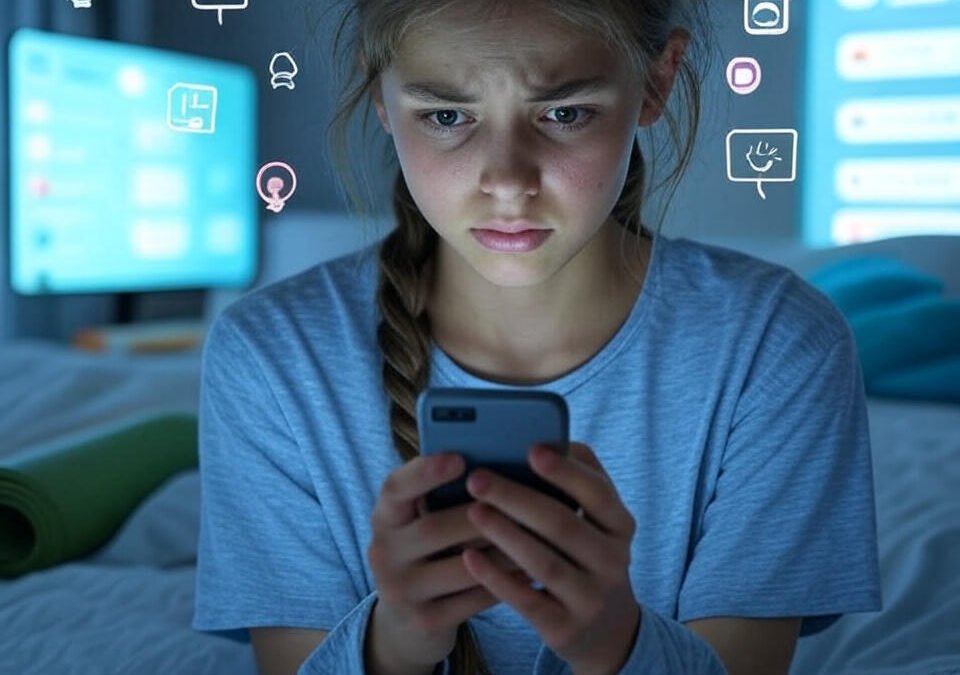
Hey there! Let’s have a chat about something that’s on everyone’s minds these days: the tricky relationship between social media and our self-esteem, and how we can protect our mental health in this always-on digital world. If you’re anything like me, you’ve probably caught yourself scrolling through Instagram or TikTok, only to feel a bit down afterwards, comparing your behind-the-scenes life to someone else’s highlight reel. It’s a common struggle, especially for young folks, but the good news is that with some awareness and smart strategies, we can turn things around. Drawing from solid research by health experts and studies, I’ll break it down for you: the downsides, the potential upsides, and practical tips to keep your well-being in check. Grab a cuppa and let’s dive in.
The Tough Side: How Social Media Can Chip Away at Your Self-Esteem
Look, social media isn’t all bad, but the evidence shows it can really take a toll on how we see ourselves. If you’re spending more than three hours a day on these platforms, research indicates you’re twice as likely to face issues like depression and anxiety. A lot of this comes from social comparison, you know, when you stack your everyday reality against those perfectly filtered posts, leaving you feeling inadequate or not good enough. Adolescents, particularly girls between 10 and 14, seem to bear the brunt, with heavy use linked to lower self-esteem from constant exposure to idealised images and lifestyles.
Body image is a big one here. Platforms loaded with photo-editing tools and filters often lead to dissatisfaction, and even disordered eating habits, as users chase unrealistic standards. Studies reveal that nearly half of teens aged 13-17 feel worse about their bodies because of social media. Then there’s the fear of missing out (FOMO), which ramps up anxiety and loneliness, and cyberbullying (affecting about 44% of internet users in the US) that can leave deep emotional scars, worsening self-doubt and depressive symptoms.
From what experts have reviewed in systematic studies, social media addiction ties directly to higher depression, anxiety, and overall distress, often making isolation and negative self-views worse. For teens, more screen time predicts poorer self-esteem, with girls showing stronger links due to societal pressures on appearance. Passive scrolling, without much interaction, is especially sneaky, it disrupts sleep, focus, and even brain development in younger users.
The Silver Lining: When Social Media Actually Boosts Your Confidence
That said, it’s not all negative, social media can be a force for good when used right. It helps build connections and a sense of belonging, which can lift self-esteem, especially for those in marginalised communities, like racial or LGBTQ+ groups. Around 58% of teens report feeling more accepted online, and 67% say they’ve gotten support during tough times through these platforms. Online spaces can cut through the stigma around mental health, offering peer encouragement that boosts well-being and self-worth. For some, sharing stories or getting positive feedback like likes can affirm who you are and build confidence, acting as a buffer against feeling alone.
Practical Strategies to Safeguard Your Mental Health
Alright, enough about the problems, let’s talk solutions. The key is mindful use, setting boundaries, and balancing the digital with the real world. Here’s some evidence-backed advice to help you protect your self-esteem:
- Set Limits on Your Time: Aim to cap your daily scrolling at about 30 minutes; studies show this can reduce feelings of depression and loneliness. Use your phone’s built-in tools to set timers, switch off notifications, and create no-tech zones, like during meals or before bed, to help with sleep and concentration. If you’re a parent, lead by example with a family media plan.
- Curate a Positive Feed: Be ruthless, unfollow accounts that make you feel rubbish or spark unhelpful comparisons and follow ones that inspire and uplift. Shift from passive browsing to active engagement, like commenting meaningfully, which research suggests is better for your mood. Take a moment to reflect: How does this content make me feel? Adjust as needed.
- Prioritise Offline Life and Self-Care: Get out there with in-person chats, hobbies, or exercise to combat isolation and boost your mood. Things like a walk in the park, reading a book, or volunteering can build gratitude and resilience, helping you shake off FOMO. Try mindfulness practices or journaling to challenge those negative thoughts that creep in from online comparisons.
- Seek Support and Stay Informed: If social media’s getting you down, chat to a trusted friend, family member, or professional. Learn about privacy settings, report bullying, and tap into digital literacy resources. For young people, catching issues early can prevent them from snowballing. Experts, including advisories from bodies like the US Surgeon General, recommend platforms add better safety features, but until then, focus on quality over quantity in your interactions.
These steps aren’t about ditching social media entirely, it’s about using it in a way that serves you, not the other way around.
Wrapping It Up: Taking Control in the Digital Age
Phew, we’ve covered a fair bit, haven’t we? Social media can erode self-esteem through endless comparisons and addictive habits, leading to anxiety and depression, but it also offers real opportunities for connection and support if we handle it thoughtfully. By setting boundaries, curating positively, and nurturing your offline world, you can protect your mental health and keep your self-worth intact. If things feel overwhelming, remember it’s okay to log off and reach out, organisations like the World Health Organisation or local mental health services are there to help. What’s your take on this? Have you got a tip for managing social media? Drop a comment below, I’d love to hear your thoughts. Stay well and connected, in the best way possible!