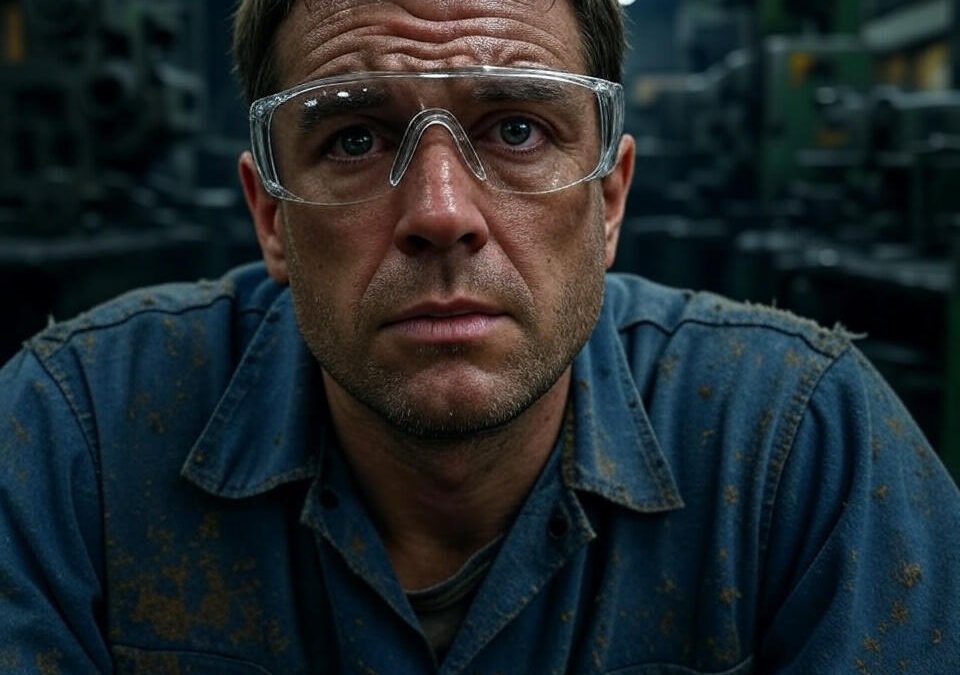
Hi everyone! Let’s chat about something that’s vital for those in the gritty world of manufacturing: engineering mental resilience to tackle stress in high-risk environments. If you’re working with heavy machinery, hazardous substances, or non-stop production lines, you know the constant pressure can really grind on your nerves. I’m all for shining a light on mental health in tough industries, so I’ll share insights from trustworthy sources like the World Health Organisation (WHO), the American Psychological Association (APA), and peer-reviewed research. We’ll mix it up today – kicking off with the unique pressures in manufacturing, then diving into the risks, their knock-on effects, and proven ways to fortify your mind. Ready? Settle in, and let’s break it down.
The Unique Pressures: Why Manufacturing Environments Amp Up Stress
High-risk manufacturing spots (places like chemical plants, assembly lines, or heavy equipment factories) are prime territory for stress. Workers deal with safety threats, long shifts, noisy surroundings, and the fear of mistakes that could cause harm. The Occupational Safety and Health Administration (OSHA) points out that psychosocial hazards, such as high demands and low control over tasks, make these settings a hidden danger zone beyond physical risks. The Centres for Disease Control and Prevention (CDC) echoes this in construction and manufacturing, where job-related stress from processes and isolation ramps up mental strain.
It’s not uncommon: research shows occupational stress hits up to 54% of manufacturing employees, driven by factors like workload overload, job insecurity, and team conflicts. The pandemic made it worse, heightening isolation in shift-based jobs. Younger or less experienced workers often bear the brunt, facing more emotional exhaustion.
Unpacking the Impacts: Stress’s Toll on Mind and Body
The consequences aren’t just fleeting; chronic stress here can spark serious mental health woes like anxiety, depression, and burnout. It sets off a stress response that feels like physical pain, leading to inflammation, a weaker immune system, and brain fog, which makes staying alert on the job even harder. In these settings, it boosts accident risks as stressed folks might skip safety steps.
Peer-reviewed studies link it to more absenteeism, lower productivity, and, in extreme cases, suicidal thoughts. For manufacturing crews, it’s a downward spiral: overload breeds isolation, which cranks up depression, costing industries billions in lost output. The APA warns that without checks; it can lead to physical problems like heart issues.
Strategies to Engineer Resilience: Practical Steps Forward
The positive spin? We can build mental toughness with targeted tactics, combining personal efforts with workplace tweaks. Here’s what the evidence backs:
- Roll Out Stress Management Training: Offer sessions on mindfulness, breathing exercises, or yoga to help folks handle the heat. The CDC backs these for high-risk sectors, proving they cut burnout and sharpen coping abilities.
- Cultivate a Supportive Vibe: Spark open talks about stress and strengthen team ties with routine check-ins or buddy systems. The WHO underlines social links as crucial for resilience, easing isolation in shifts.
- Launch Wellness Initiatives: Provide counselling through Employee Assistance Programmes (EAPs) and push physical activity. Research shows these drop depression risks and boost sharpness in manufacturing.
- Redraw Boundaries and Workflows: Cap overtime, rotate tough jobs, and use tech to smooth processes. OSHA guidelines push this to curb overload, lifting job satisfaction.
- Boost Self-Care and Checks: Encourage solid sleep, nutrition, and pauses. Resilience programmes, like those in construction, aid in reframing hurdles and fostering grit.
Firms need to step up: Enforce downtime and train leaders on mental health cues to reshape the space.
Closing Out: Strengthening Minds on the Factory Floor
We’ve dug into plenty, right? Stress in high-risk manufacturing can sap mental health via overload and isolation, but crafting resilience through training, support, and smart adjustments builds a stronger defence. If it’s ringing bells, reach out to experts or groups like the South African Depression and Anxiety Group. What’s a tactic that’s helped in your workplace? Pop it in the comments; it’d be ace to hear from you. Stay resilient and mind your wellbeing!