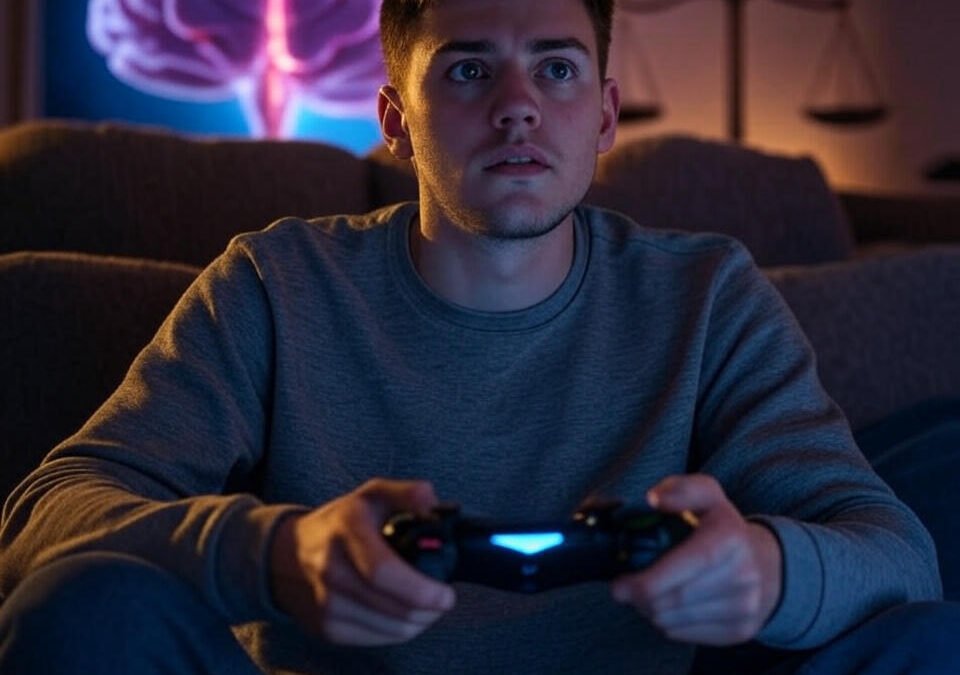
Hello, everyone! If you’re like me, you’ve probably spent a fair bit of time diving into a video game after a long day at work, just to unwind. But what if I told you that gaming isn’t just a fun escape, it’s got real potential to support your mental health? In this post, we’re exploring how video games can help with emotional balance, drawing on solid research from psychologists and health experts. Whether you’re dealing with stress from a high-pressure job or simply looking for ways to manage everyday ups and downs, gaming might be a tool worth considering. While gaming requires access to devices or internet, free or low-cost mobile games can be a great starting point. Let’s level up our understanding, shall we?
Why Gaming? It’s More Than Just Play
First off, let’s chat about why video games are getting attention in mental health circles. Unlike passive activities like watching TV, gaming is interactive; it pulls you in, challenges you, and often rewards your efforts. APA’s 2017 Frontiers study highlights cognitive benefits, along with motivational, emotional, and social skills. Think about it: when you’re navigating a puzzle in a game like Tetris, building a world in Minecraft, or strategizing in mobile titles like Candy Crush Saga or Clash Royale, you’re practising problem-solving and resilience in a low-stakes environment. This can translate to better emotional balance in real life, helping you handle frustrations without getting overwhelmed.
During tough times, like the COVID-19 pandemic, many turned to gaming for relief. Studies show that moderate play can improve mood and reduce stress, acting as a sort of digital mindfulness practice. It’s fascinating how something as simple as a casual game can shift your mindset, isn’t it?
Tackling Stress: Gaming as Your Relaxation Ally
Stress is a sneaky beast, it creeps up in our busy lives and can throw our emotions out of whack. The good news? Video games have been shown to help dial it down. For instance, casual games like Bejeweled or Angry Birds can promote relaxation and ward off anxiety by creating a state of ‘flow’, where you’re fully immersed and time just flies. A study found that playing these quick, accessible games improved players’ moods and even lowered physiological stress markers, like a heart rate.
For some, violent games may reduce stress hormones like cortisol, but preferences vary, so explore what feels right for you. Of course, this isn’t for everyone, it’s about finding what works for you. A 2024 Entertainment Software Association survey found 76% of U.S. adults agree that video games provide stress relief, with many saying it helped them face daily challenges. If you’re in a high-stress field like mining or finance, imagine swapping a tense evening scroll through emails for a quick gaming session on something like Call of Duty Mobile or PUBG Mobile, popular free-to-play options here in South Africa. Sounds refreshing, right?
Building Emotional Regulation: Skills from the Screen to Real Life
Now, let’s talk about emotional regulation; that ability to manage your feelings without letting them run the show. Gaming excels here because it often requires you to adapt to setbacks, like failing a level and trying again. Peer-reviewed studies link this to better emotion control, with games fostering strategies like reappraisal (seeing challenges differently) and suppression when needed. For example, in eSports titles like League of Legends or mobile multiplayer games like Free Fire, players learn to regulate frustration during intense matches, which can spill over into everyday life.
A systematic review emphasises that problematic gaming is tied to poor emotion regulation, but moderate, mindful play does the opposite, it builds resilience. Games designed for this, like serious games for kids, teach emotional strategies through fun mechanics, leading to better outcomes in anxiety and depression management. It’s like training your brain in a virtual gym for emotions.
Easing Depression and Anxiety: A Supportive Sidekick
For those grappling with depression or anxiety, gaming isn’t a cure-all, but it can be a helpful supplement. Meta-analyses show that game-based interventions reduce depressive symptoms with moderate effects, especially in youth. Therapeutic games like SPARX, an RPG-style adventure teaching cognitive behavioural therapy (CBT) skills, have proven effective for teens with mild depression. Players customise avatars and tackle ‘gloomy’ thoughts in a fantasy world, making therapy feel less daunting.
Commercial games also shine: titles like Animal Crossing foster social connections, combating isolation, while active video games (like those on consoles or mobile hits like Block Blast) improve mental health by boosting endorphins and reducing anxiety. A narrative review of off-the-shelf games found they mitigate symptoms by providing distraction, achievement, and community. However, results for anxiety are mixed, with some studies showing smaller impacts. The key? Balance; excessive play can worsen issues, so keep it moderate.
A Few Caveats: Play Smart, Not Hard
Before you boot up your console, remember: gaming’s benefits come with caveats. The APA notes that while many teens see social and mental perks, downsides like sleep loss or bullying in online spaces are real. Experts stress that games should complement professional help, not replace it. If gaming starts feeling addictive, it might signal deeper issues.
Also, not all games are created equal. Cooperative or puzzle-based ones tend to offer more emotional wins than hyper-competitive ones. Start small, track how you feel, and perhaps chat with a therapist about incorporating it into your routine.
Final Thoughts: Ready to Press Start?
So, there you have it, gaming isn’t just pixels and points; it’s a potential powerhouse for emotional balance. From melting away stress to honing regulation skills and easing tougher mental health hurdles, the evidence is encouraging. Whether you’re a casual player or a dedicated gamer, why not give it a thoughtful try? Share your experiences in the comments, has gaming helped your mental wellbeing? At Drilldown Reports, we’re all about practical insights for tough industries, so let’s keep the conversation going. Stay balanced and game on responsibly!